CVD Lab Diamonds: How They're Grown and What to Look For
A deep dive into CVD diamond growth, the defects that can affect appearance, and what to look for when evaluating a lab grown diamond.
Lab Diamonds
Ada Diamonds founders Lindsay Reinsmith and Jason Payne were invited to guest lecture at GIA on lab diamond quality — what grading reports miss and what to look for in person.
GIA, lab diamond education, lab diamond quality, founders, beyond the 4Cs
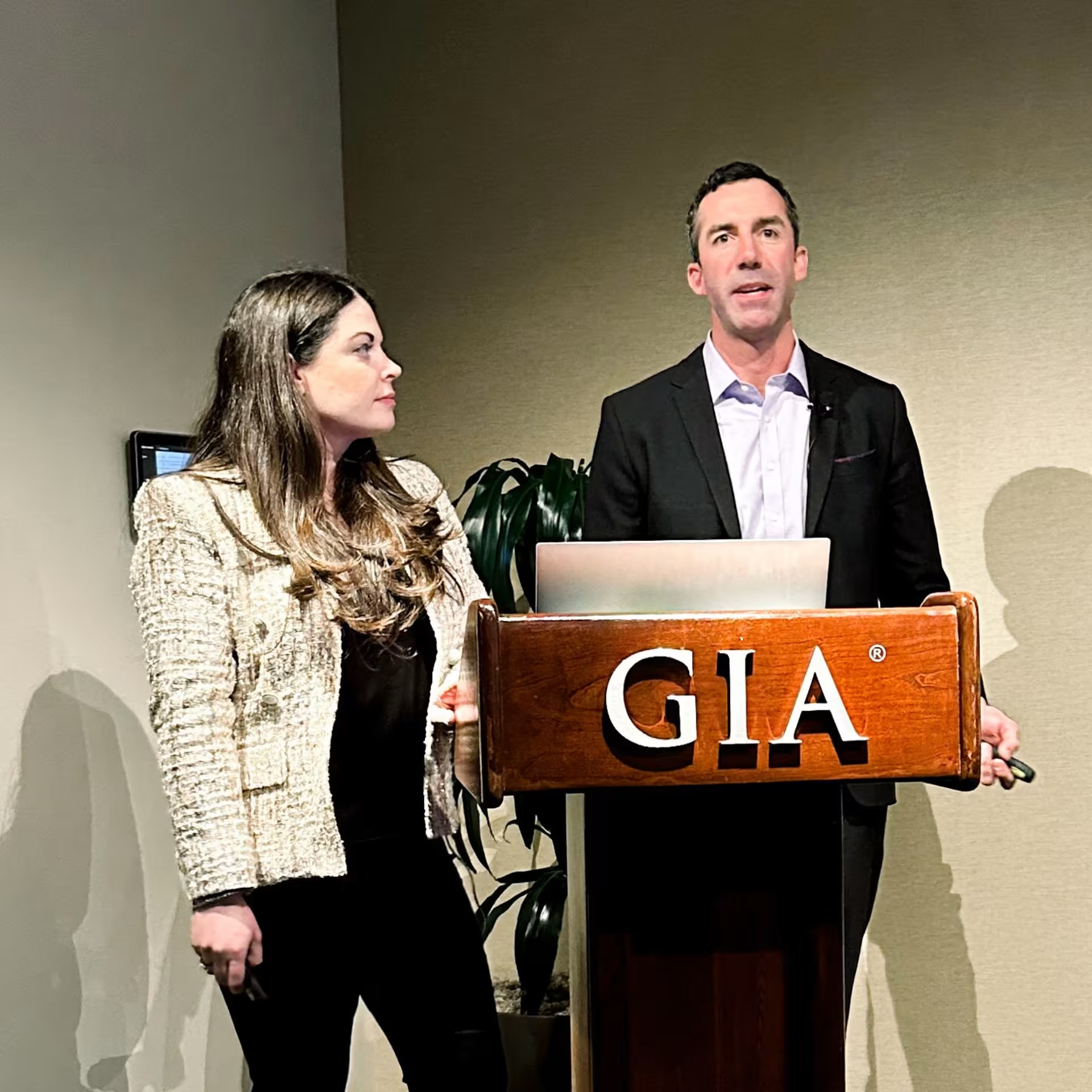
GIA, the Gemological Institute of America, is the world's foremost authority on diamond grading and gemological research. Being invited to lecture there isn't something that happens by accident.
Ada Diamonds founders Lindsay Reinsmith and Jason Payne were invited to present at GIA on the quality characteristics of lab grown diamonds that standard grading reports don't capture. The lecture, titled "Beyond the 4 C's," drew on years of firsthand experience examining lab diamonds from growers around the world and working directly with GIA's own research team.
Below you'll find the full presentation and individual deep dives on each topic covered.

Why this Matters for Your Diamond
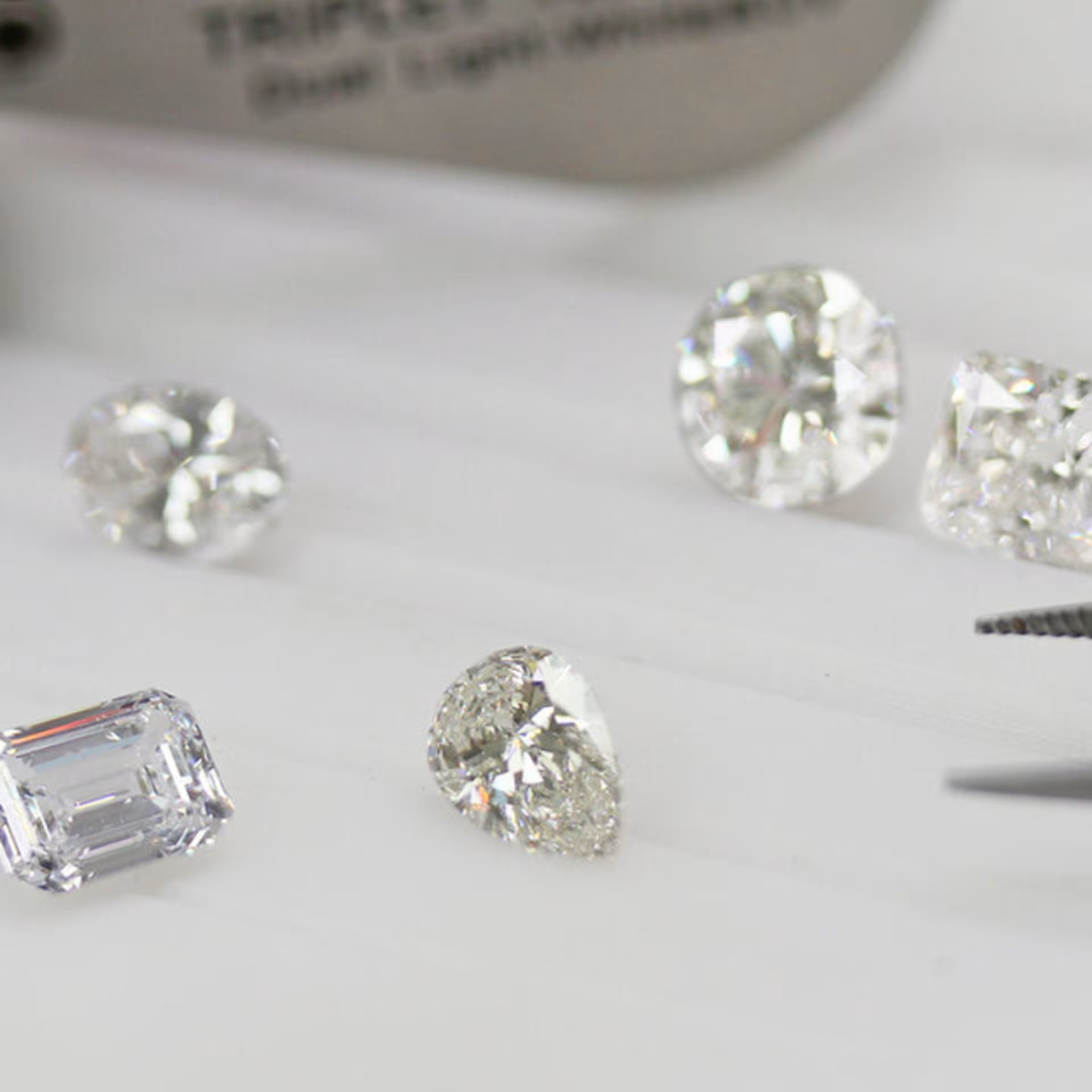
The GIA invitation didn't come out of nowhere. It came from years of work: examining over 15,000 certified lab diamonds above one carat, sourcing from more than 100 growers across ten countries, and bringing unusual or unclassified stones to GIA's researchers for analysis.
That exposure shapes how we evaluate every diamond that enters our inventory. We know what gray tinge looks like at D color. We know what phosphorescence looks like under office lighting. We know what strain does to contrast even in a VVS stone. And we know none of it shows up on a grading report.
A grading report is a starting point, not the whole story.
Industry Leading Curation
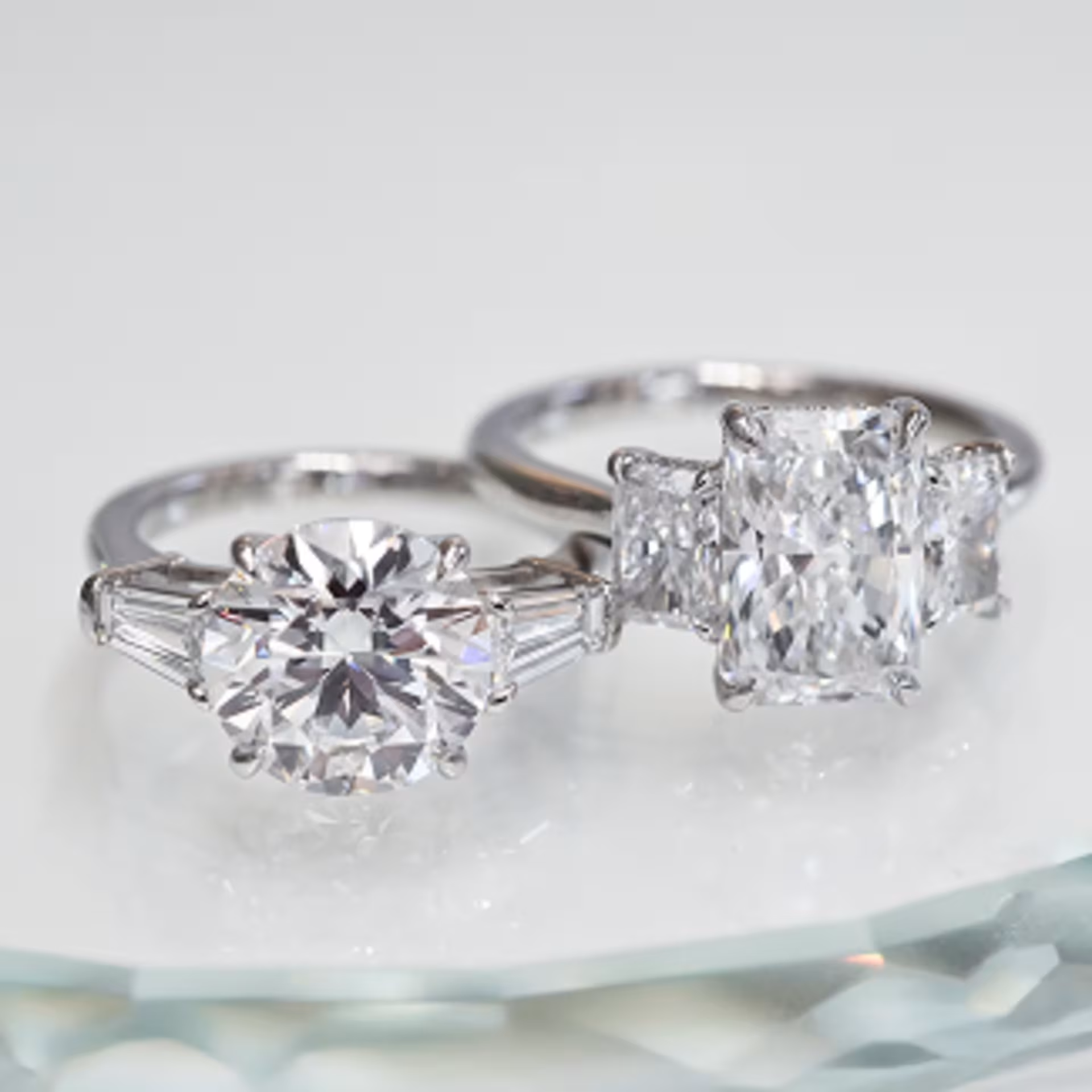
We have the highest standards for lab diamond quality and craftsmanship in the industry. We never evaluate diamonds simply by a grading report and a HD video.
Each of our diamonds are inspected in house before ever being offered to a client. We do the hard part of screening lab diamonds for quality so you can choose with confidence.
Go Deeper
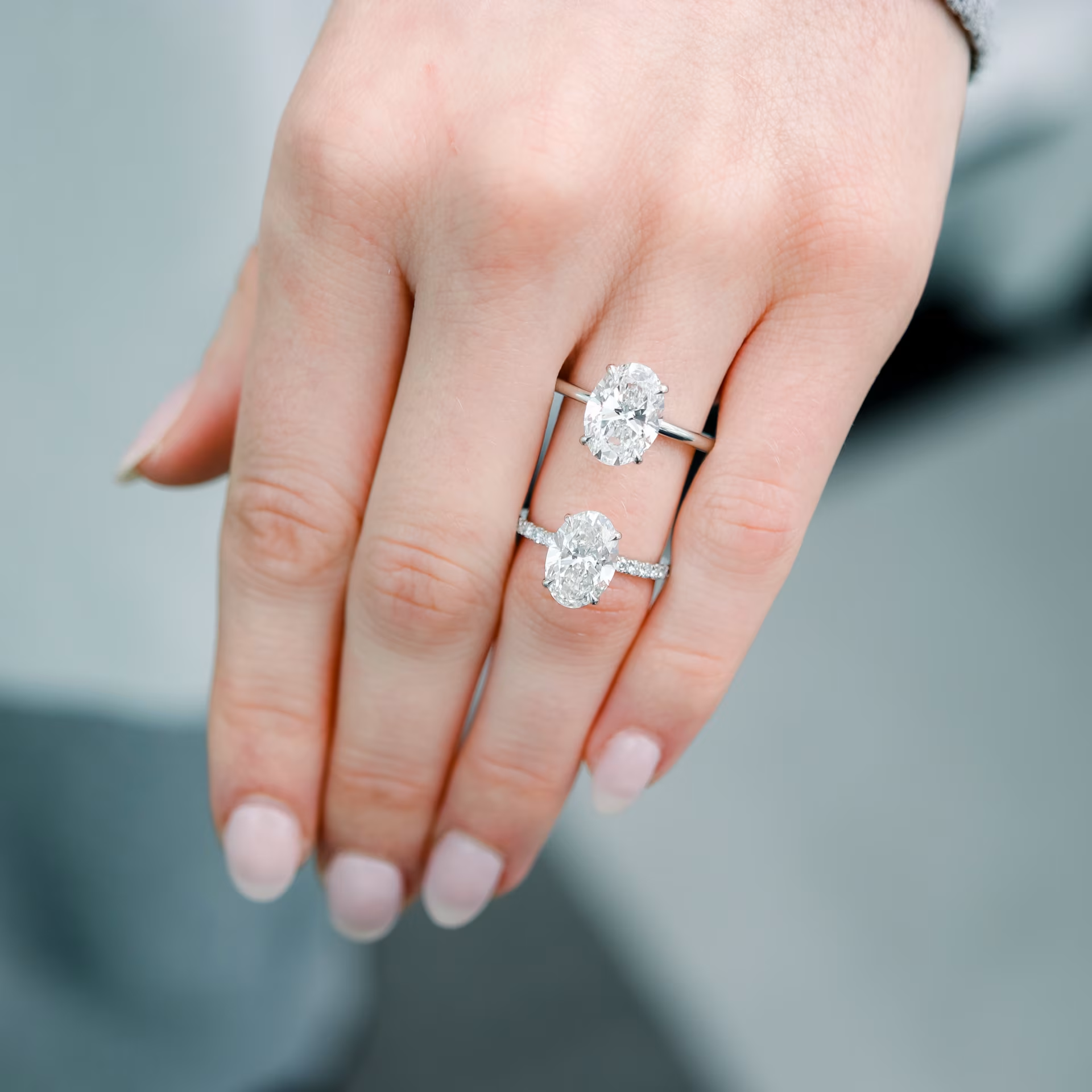
Want to understand what we look for? We've written detailed guides on both growth methods covered in the lecture.
Read our guide to CVD lab diamonds or our guide to HPHT lab diamonds for the full technical detail on growth methods, defect frameworks, and what to look for when evaluating a stone.
A deep dive into CVD diamond growth, the defects that can affect appearance, and what to look for when evaluating a lab grown diamond.
Lab Diamonds
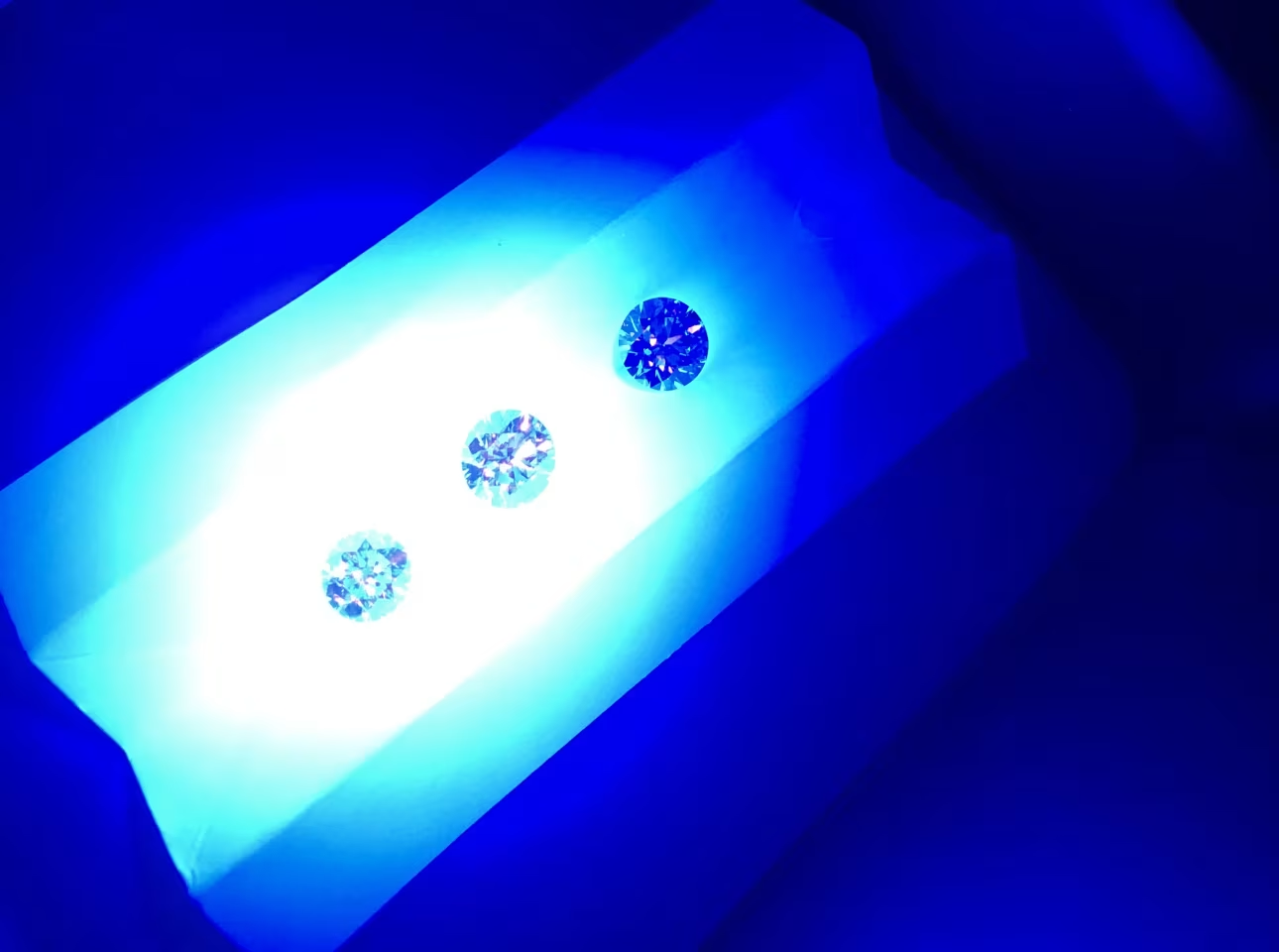
Blue nuance is a tinge of blue color present in HPHT diamonds, resulting from excess boron in the diamond after the growth process.
Diamond Education
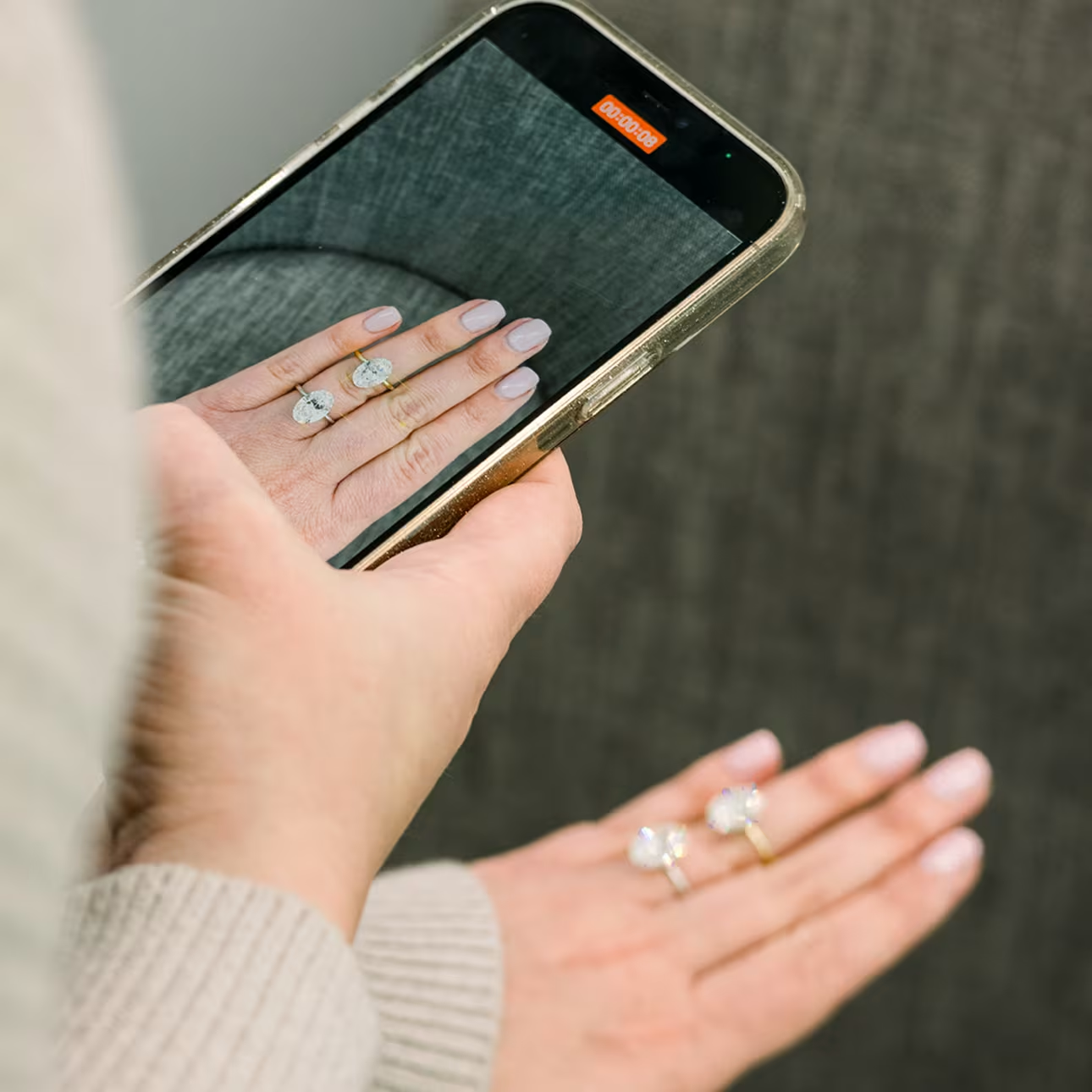
Everything you need to know before buying a lab diamond online, and how to make sure you're getting what you pay for.
Ada Diamonds founders Lindsay Reinsmith and Jason Payne were invited to guest lecture at GIA on lab diamond quality — what grading reports miss and what to look for in person.
GIA, lab diamond education, lab diamond quality, founders, beyond the 4Cs
GIA, the Gemological Institute of America, is the world's foremost authority on diamond grading and gemological research. Being invited to lecture there isn't something that happens by accident.
Ada Diamonds founders Lindsay Reinsmith and Jason Payne were invited to present at GIA on the quality characteristics of lab grown diamonds that standard grading reports don't capture. The lecture, titled "Beyond the 4 C's," drew on years of firsthand experience examining lab diamonds from growers around the world and working directly with GIA's own research team.
Below you'll find the full presentation and individual deep dives on each topic covered.
Why this Matters for Your Diamond
The GIA invitation didn't come out of nowhere. It came from years of work: examining over 15,000 certified lab diamonds above one carat, sourcing from more than 100 growers across ten countries, and bringing unusual or unclassified stones to GIA's researchers for analysis.
That exposure shapes how we evaluate every diamond that enters our inventory. We know what gray tinge looks like at D color. We know what phosphorescence looks like under office lighting. We know what strain does to contrast even in a VVS stone. And we know none of it shows up on a grading report.
A grading report is a starting point, not the whole story.
Industry Leading Curation
We have the highest standards for lab diamond quality and craftsmanship in the industry. We never evaluate diamonds simply by a grading report and a HD video.
Each of our diamonds are inspected in house before ever being offered to a client. We do the hard part of screening lab diamonds for quality so you can choose with confidence.
Go Deeper
Want to understand what we look for? We've written detailed guides on both growth methods covered in the lecture.
Read our guide to CVD lab diamonds or our guide to HPHT lab diamonds for the full technical detail on growth methods, defect frameworks, and what to look for when evaluating a stone.
A deep dive into CVD diamond growth, the defects that can affect appearance, and what to look for when evaluating a lab grown diamond.
Lab Diamonds
Blue nuance is a tinge of blue color present in HPHT diamonds, resulting from excess boron in the diamond after the growth process.
Diamond Education
Everything you need to know before buying a lab diamond online, and how to make sure you're getting what you pay for.